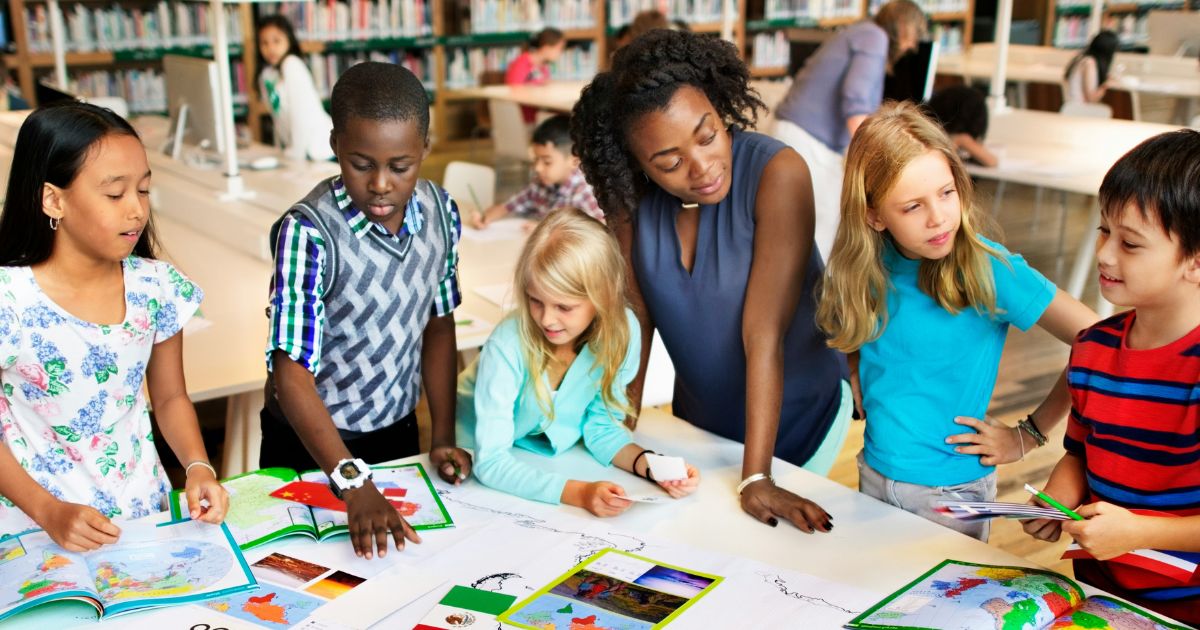
The Benefits of International Teachers in U.S. Schools: Building Stronger Schools Through Cultural Exchange
It’s easy to assume international teachers are placed in U.S. schools to fill a staffing gap or address a critical workforce challenge. However, while international educators can certainly help schools with specialized staffing needs, their influence goes well beyond filling vacancies.
Programs such as Cenet’s Teach Exchange USA, part of the BridgeUSA J-1 Teacher Program, are built on the idea of mutual learning and cultural exchange rather than simply addressing workforce needs. This is an important program because it welcomes international teachers to bring new perspectives into American classrooms, whether their expertise lies in Math, Science, World Languages, or even Special Education.
Supporting areas of need is one focus of the Teach Exchange program, but its greater purpose is creating meaningful opportunities for students, educators, and communities to learn from one another.
The teaching methods, traditions, and life experiences educators bring into the schools and communities they serve create a true spirit of reciprocity. That’s because international teachers also benefit from the opportunity, gaining valuable firsthand experience with American education and community life. This is the heart of the Teach Exchange USA Program.
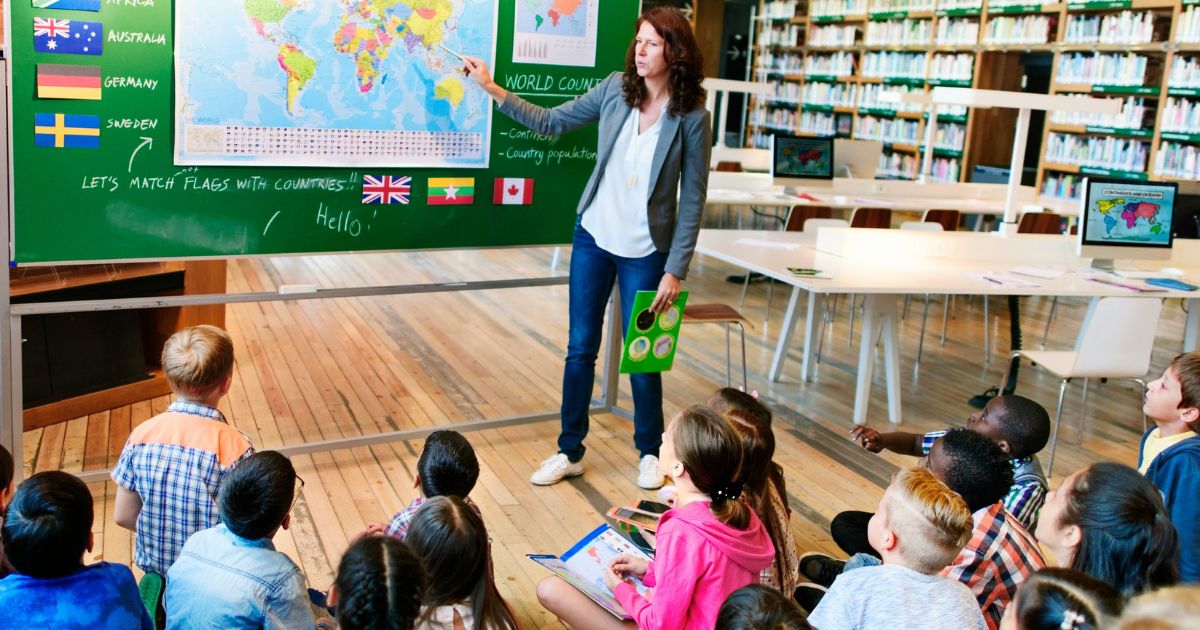
What Do International Teachers Bring to U.S. Schools?
It’s not just about bringing subject matter expertise to the classroom, although that’s a big component of the program. International teachers in U.S. schools bring cultural exchange to life with:
- Diverse teaching methodologies
- Insightful classroom management approaches
- Global perspectives in education
- Fresh instructional strategies
- Real-world cultural experiences
In addition, many international teachers help support high-need subject areas such as Special Education, World Languages, STEM fields, and other hard-to-fill teaching positions, allowing schools to expand opportunities for students while maintaining high-quality instruction.
Students benefit from this firsthand exposure, too. Not only are they exposed to different customs, traditions, holidays, and celebrations, they gain insight into global perspectives and viewpoints that broaden their understanding of the world around them. In addition, exploring language and communication differences can result in creative diverse ways of thinking and problem-solving that benefit them throughout life.
Supporting Globally Minded Education: Cultural Exchange in Schools
Perhaps the biggest benefit of international educators is that they are able to bring global perspectives into the classroom to foster cultural awareness. Helping students realize there’s a whole different world outside their homes and communities can be enlightening, hopeful, and inspiring.
Taking this global mindset even further, international teachers in U.S. schools can encourage curiosity about the world and promote cross-cultural understanding, preparing students for an increasingly interconnected society. Developing an appreciation for cultural differences lays the groundwork for responsible citizenship now and in the future.
Why Are U.S. Schools Increasingly Welcoming International Teachers?
Schools are increasingly seeking ways to prepare students for success in a globally connected world. International teachers provide authentic cultural exchange experiences while bringing fresh ideas and instructional approaches that benefit both students and local educators.
Through collaboration with U.S. teachers, international educators contribute new teaching methods, global perspectives, and innovative classroom practices that support professional growth across the school. They can also help schools address staffing needs in high-demand subject areas, ensuring students have access to qualified and experienced educators.
International teachers can help schools sustain and grow programs in specialized instructional areas where qualified educators may be difficult to recruit locally.
Depending on the school and the district, international teachers in U.S. schools may help support areas of high need such as:
- STEM fields
- Special Education
- World Languages, such as Mandarin and Spanish
- Other specialized instructional areas

How International Teacher Exchange Strengthens School Communities
From creating inclusive learning environments to encouraging student engagement, international educators build classrooms where:
- Different perspectives are respected
- Students learn empathy
- Cultural differences are embraced
- Open-minded thinking is encouraged
- Cross-cultural learning and communication skills are explored
- Global citizenship becomes part of daily education
These real-world insights are much more likely to pique the interest of students in anything from geography and world history to international cultures and global current events. Topics that may have once been confined to a textbook often become more meaningful when connected to a real person's experiences and perspective.
How Communities Benefit From International Teachers
Acting as cultural ambassadors beyond the classroom, international teachers have an impact that extends beyond school walls as they participate in:
- Cultural presentations
- Community events
- School celebrations
- Volunteer activities
- Local partnerships
These interactions help communities:
- Learn about different cultures firsthand
- Build meaningful cross-cultural relationships
- Foster greater understanding and inclusion
- Create welcoming environments for newcomers
A Two-Way Cultural Exchange
While communities learn from international teachers, teachers also:
- Experience American culture
- Participate in local traditions
- Build friendships and professional networks
- Share lessons from their time in the United States upon returning home
Cultural Exchange and Educational Excellence Go Hand in Hand
One of the greatest strengths of Teach Exchange USA is that it combines educational expertise with cultural exchange.
- Schools gain experienced educators
- Students gain global perspectives
- Teachers gain professional and personal growth opportunities
- Communities gain new cultural connections
It’s a win-win for everyone involved.

FAQs: International Teachers in U.S. Schools
Q: What do international teachers bring to U.S. schools?
A: International teachers bring professional teaching experience, new instructional approaches, and cultural perspectives that enrich learning for students and educators alike.
Q: Why are schools hiring international teachers?
A: Schools welcome international teachers to enhance cultural exchange, broaden educational opportunities, and support specialized subject areas where qualified educators may be difficult to recruit.
Q: How do students benefit from international teachers?
A: Students gain exposure to different cultures, traditions, languages, and perspectives, helping them develop global awareness and cross-cultural understanding.
Q: What subjects do international teachers typically teach?
A: International teachers often work in STEM fields, Special Education, World Languages, and other specialized instructional areas, though needs vary by district and school.
Q: How do communities benefit from international teachers?
A: International teachers frequently participate in cultural events, volunteer activities, and community programs, helping build stronger connections between people of different backgrounds.
Q: Is Teach Exchange USA only about addressing teacher shortages?
A: No. Teach Exchange USA is a cultural exchange program designed to promote mutual learning and understanding between international educators, U.S. schools, students, and communities.
Q: Is Teach Exchange USA the same as the J-1 Teacher Program?
A: Yes. Teach Exchange USA operates through the BridgeUSA J-1 Teacher Program, which allows qualified international educators to teach in U.S. schools while participating in cultural exchange activities.
Q: How do international teachers support U.S. educators?
A: Through professional collaboration, international teachers share instructional strategies, educational perspectives, and classroom practices that can benefit teachers across the school community.

Building Stronger Schools Through Cultural Exchange
International teachers in U.S. schools play a unique role in fostering learning, understanding, and connection.
Through programs like Teach Exchange USA, schools have the opportunity to welcome experienced educators from around the world while creating meaningful cultural exchange experiences for students, staff, and communities.
Their impact reaches beyond academics, helping cultivate globally aware students, collaborative school cultures, and stronger community relationships that continue long after the exchange has ended.
Contact Cenet Today
Cultural exchange can leave a lasting impact on students, educators, and communities. To learn more about how Teach Exchange USA supports schools through global education and cultural exchange, contact Cenet today.
